PARAMARIBO
Your journey through Suriname begins the moment you land at the Johan Adolf Pengel International Airport, but it truly comes to life in Paramaribo — the warm, multicultural capital where history, food, and architecture blend into one vibrant experience.
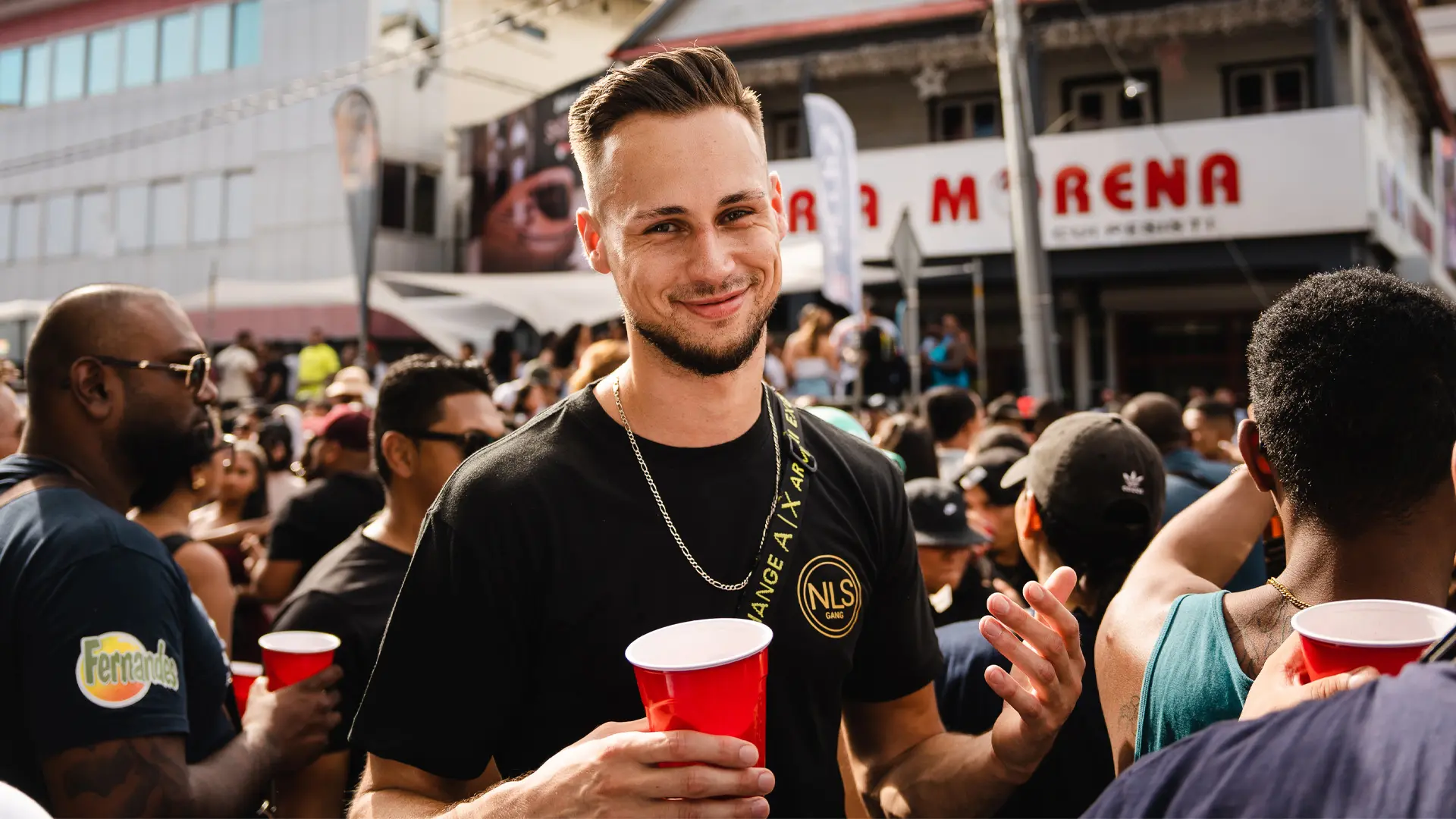
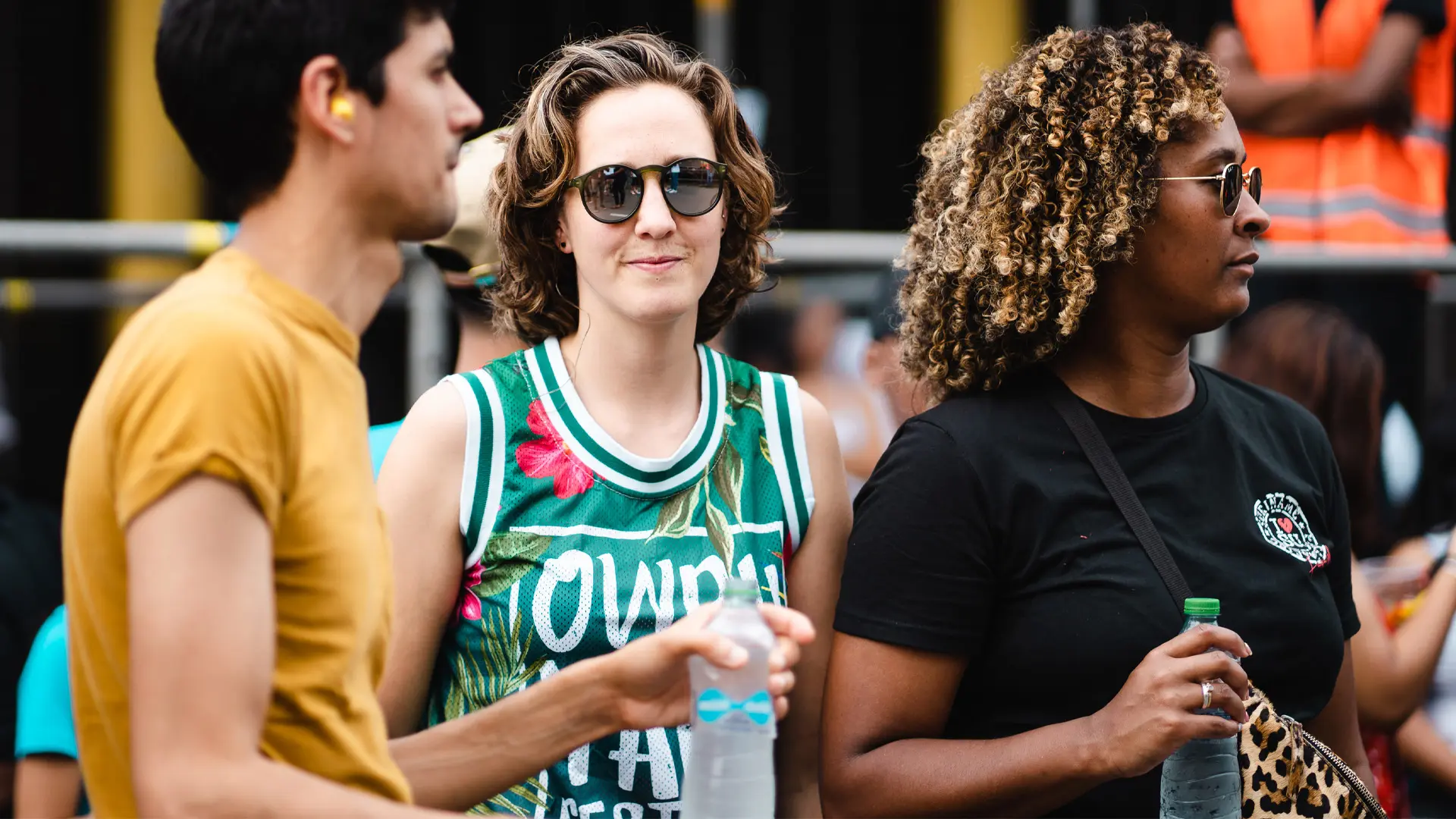
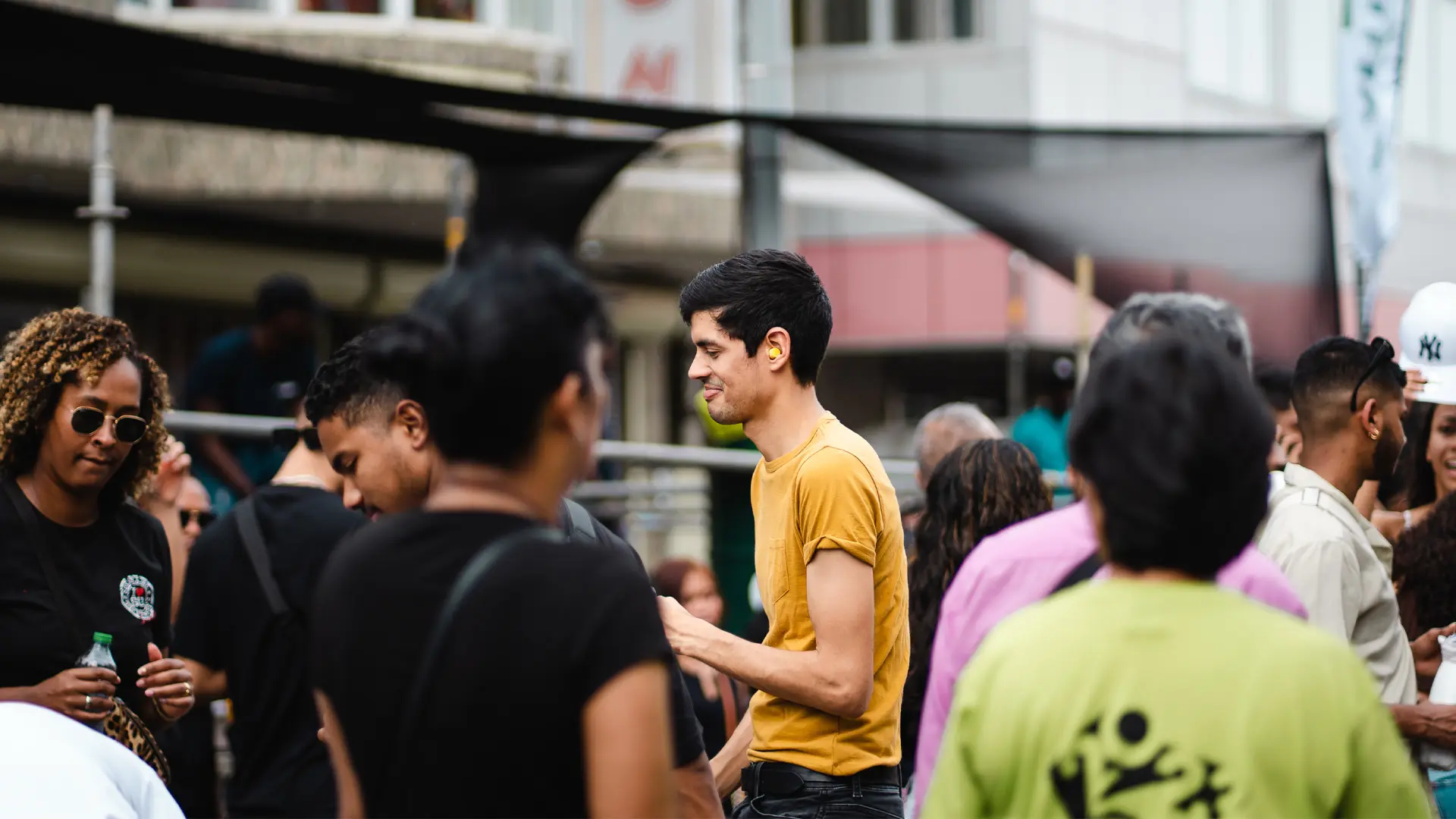
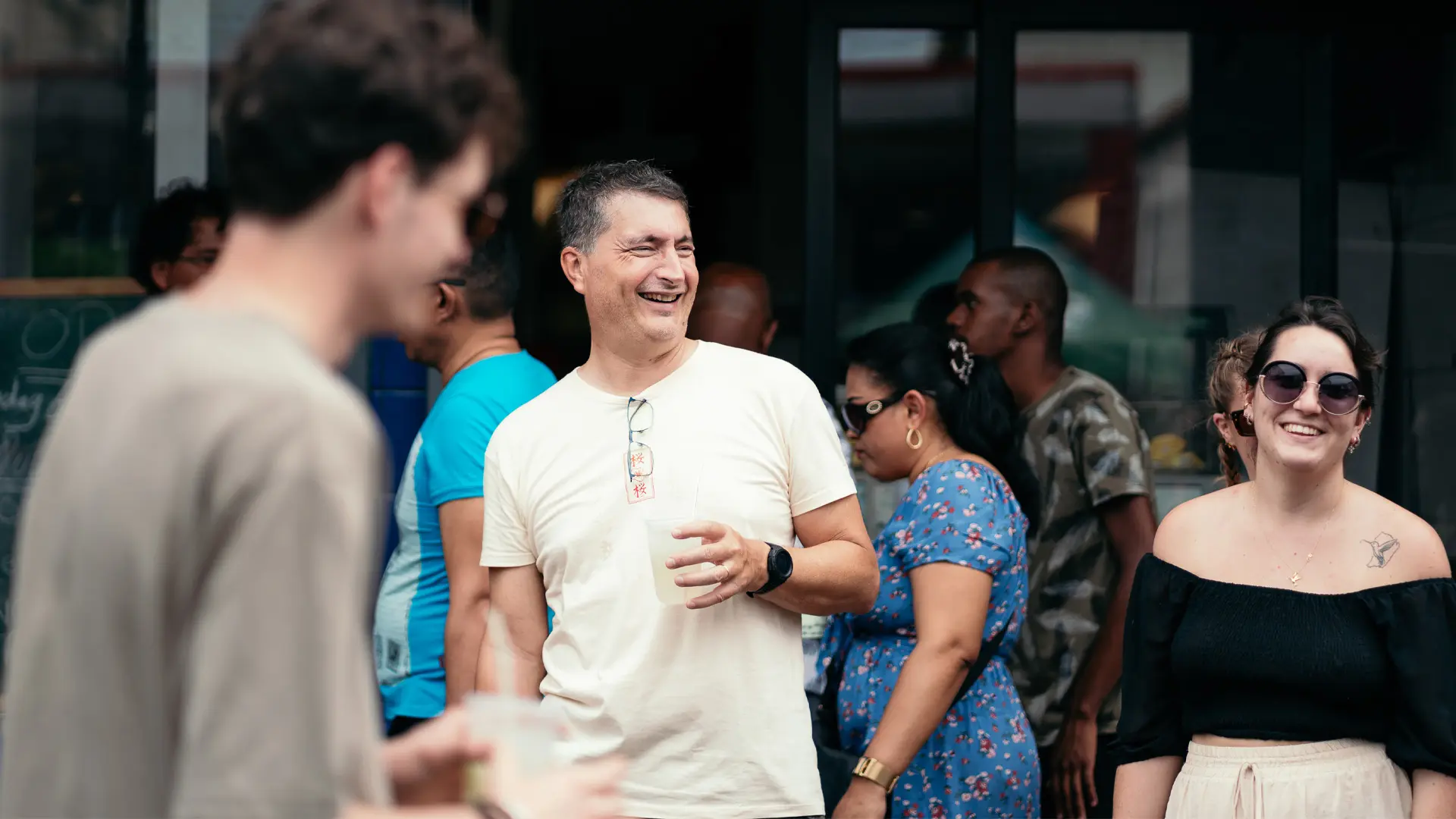
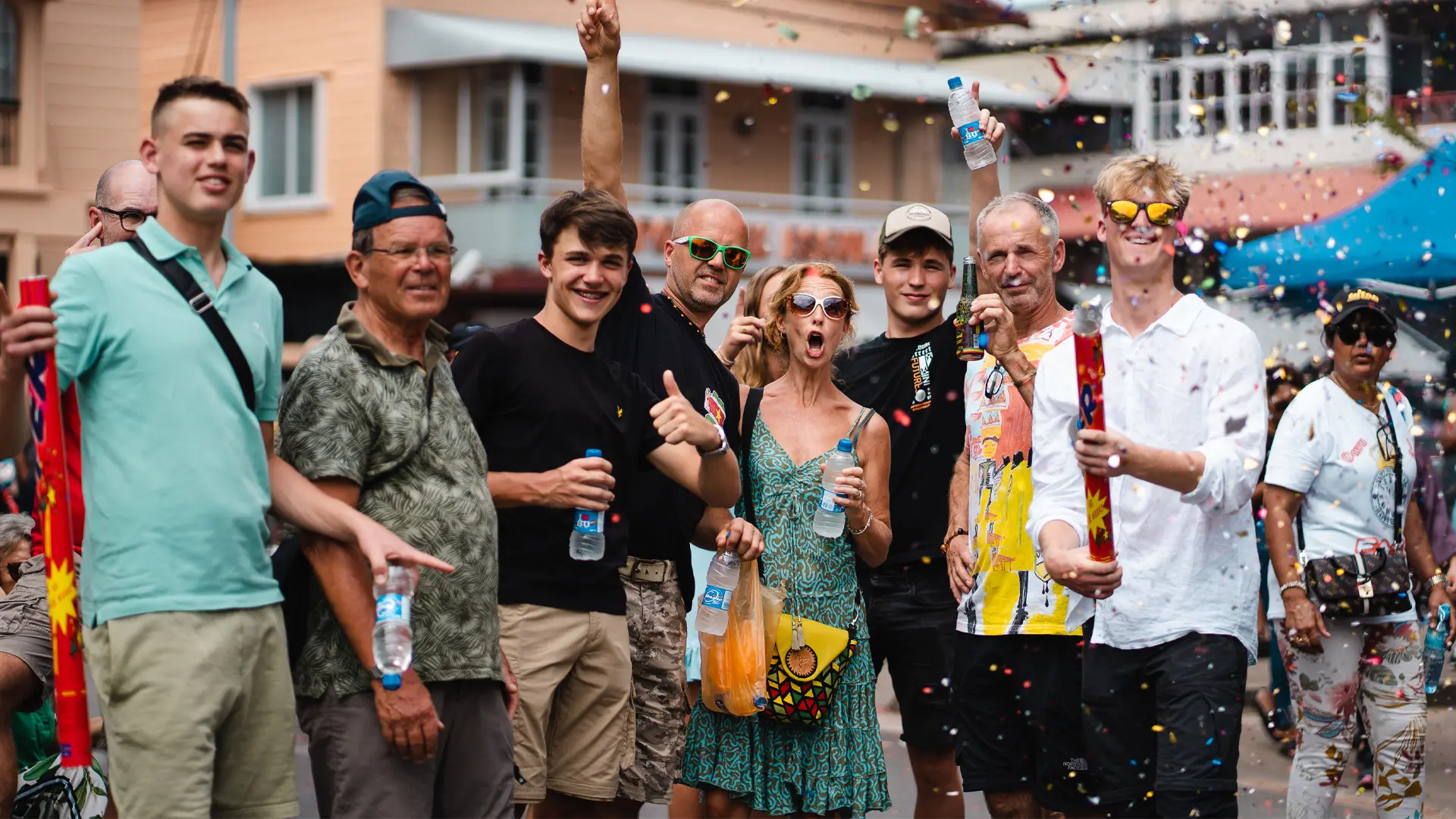
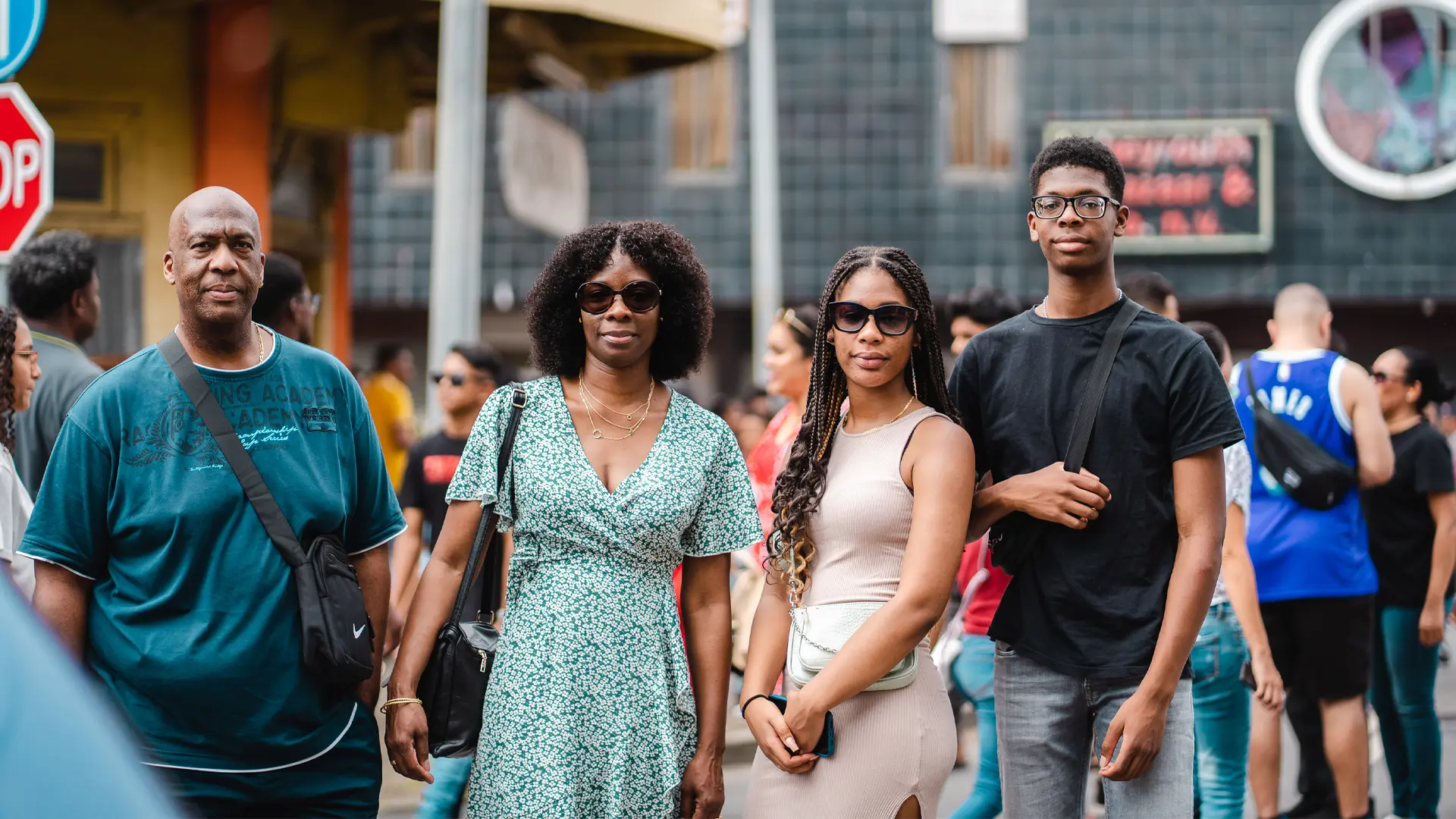
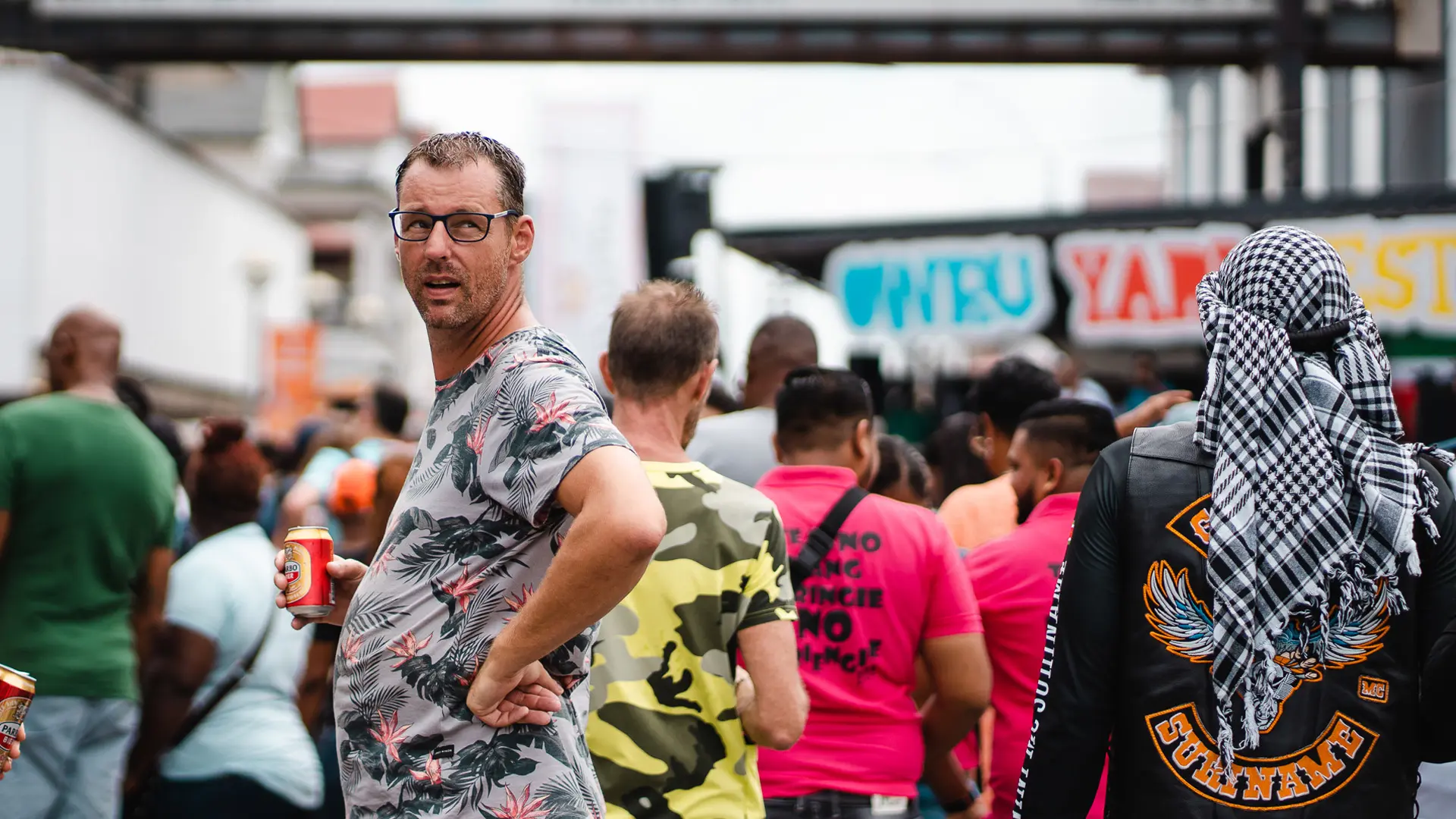
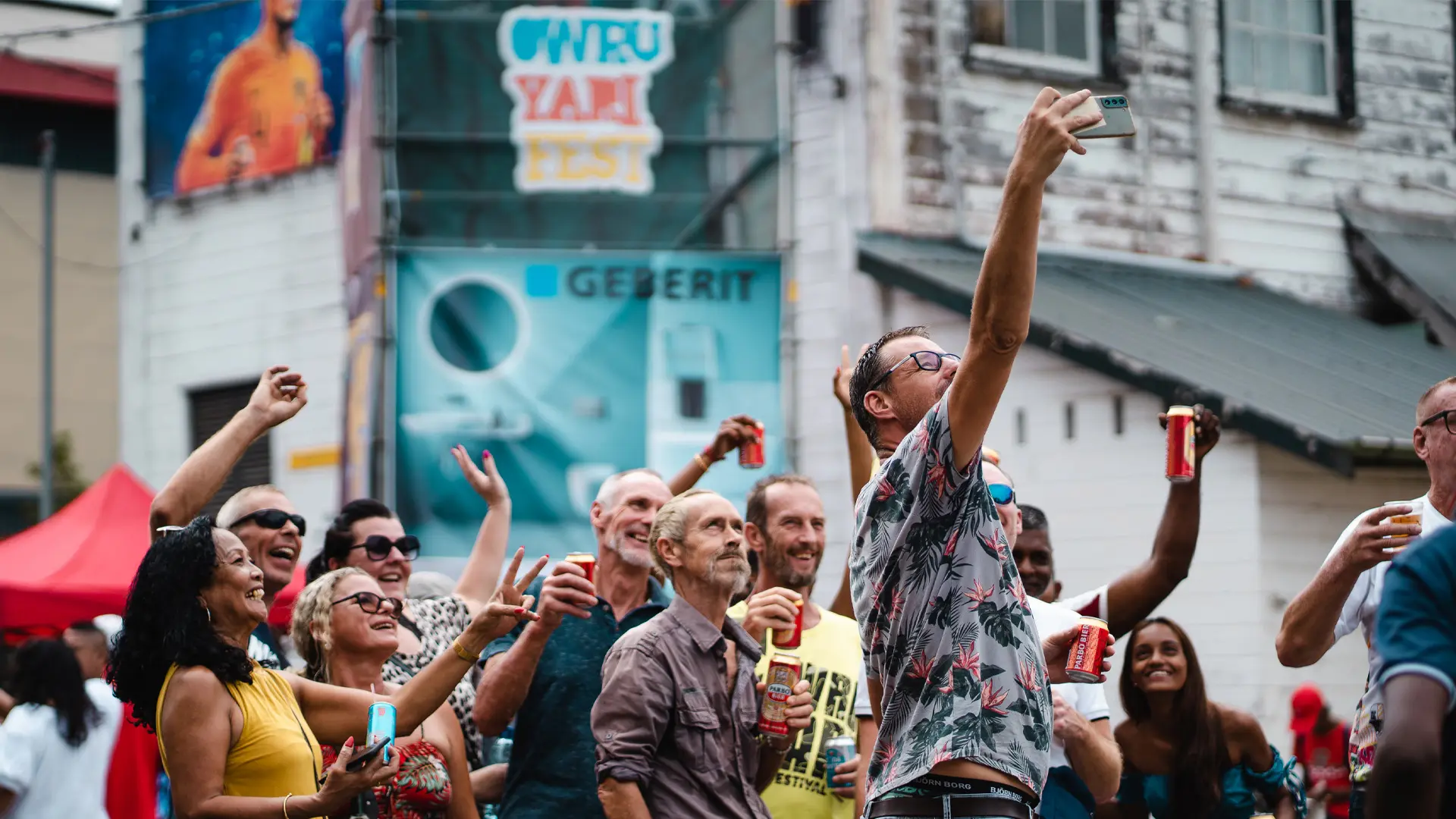
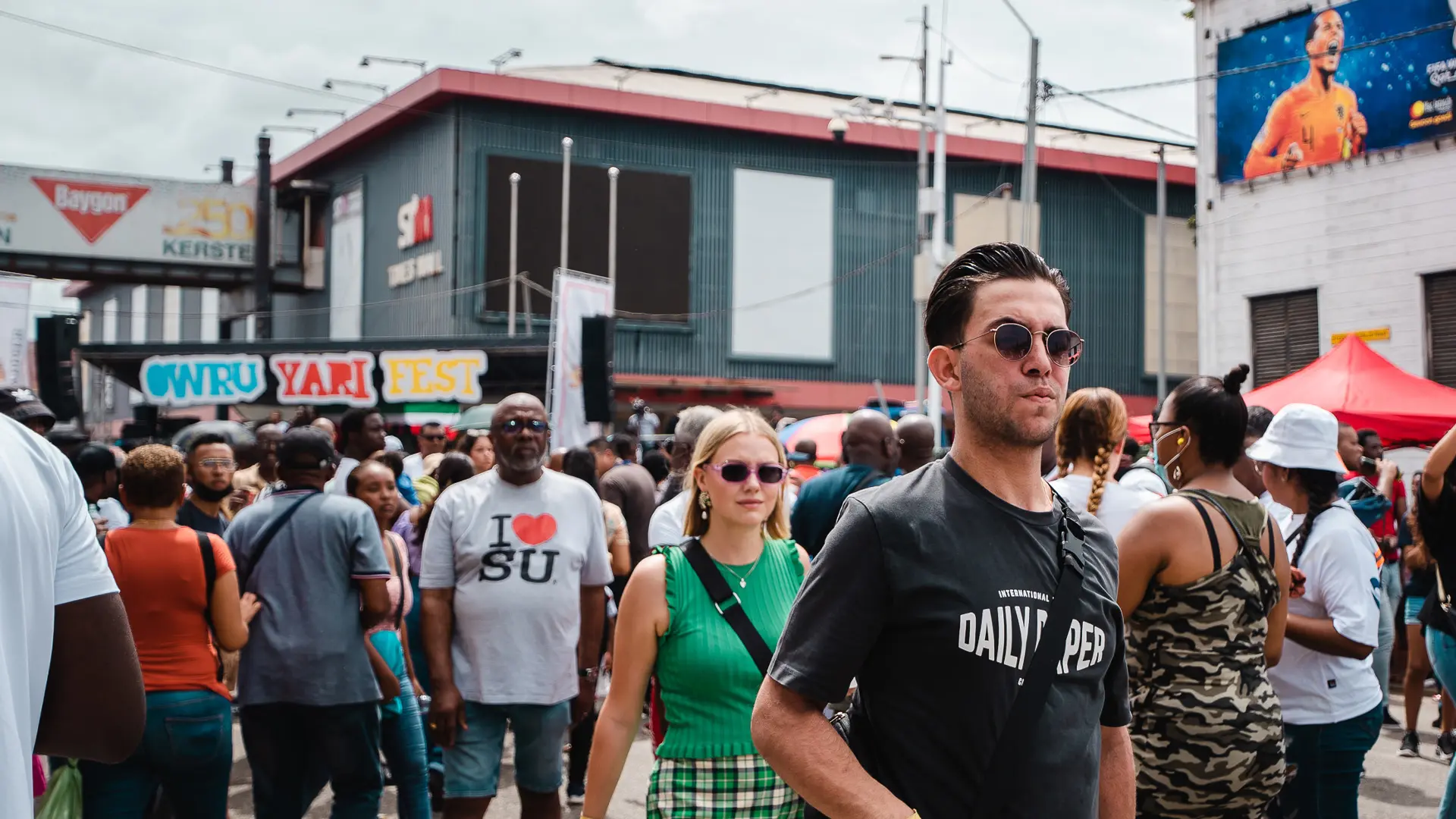
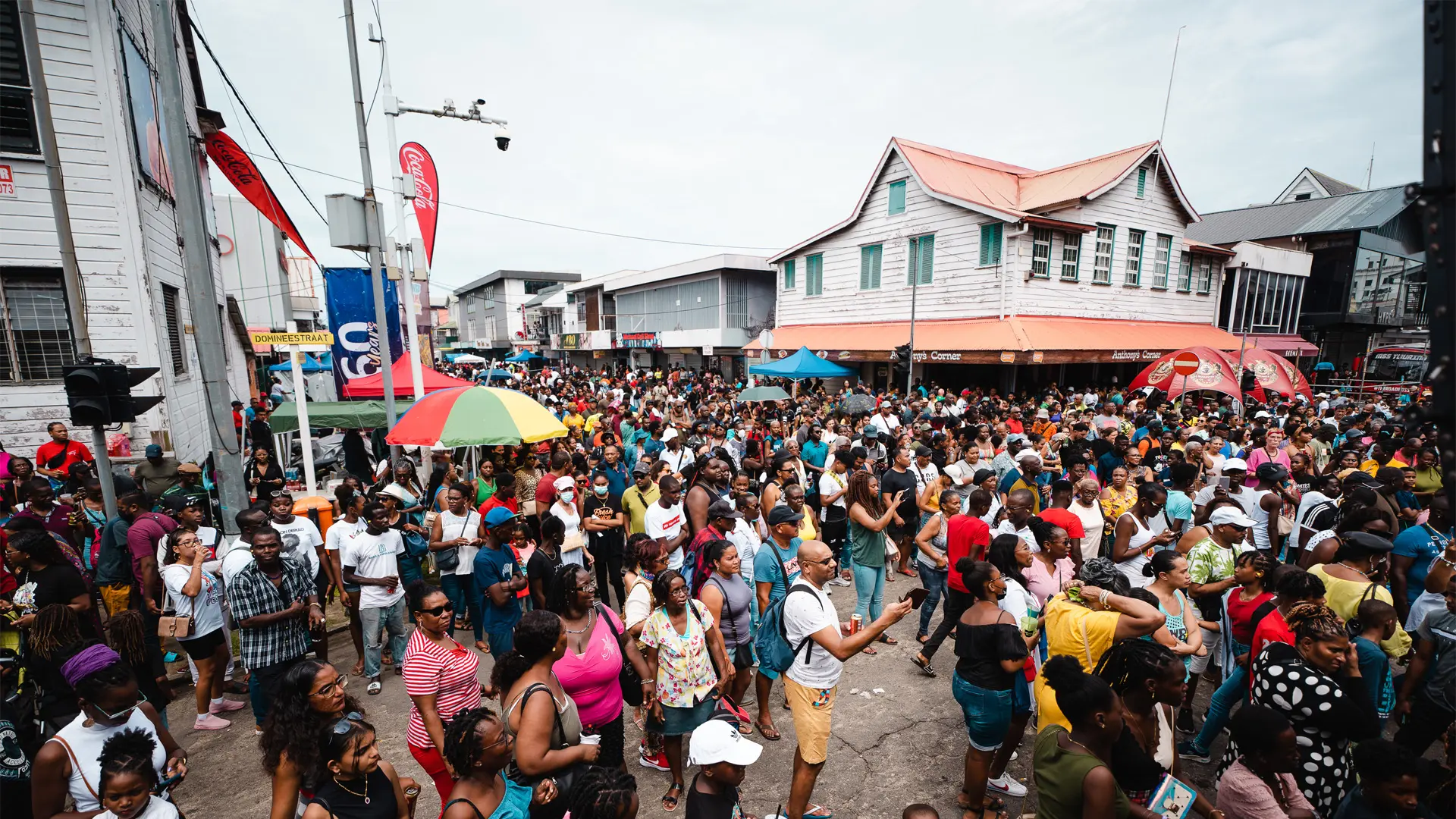
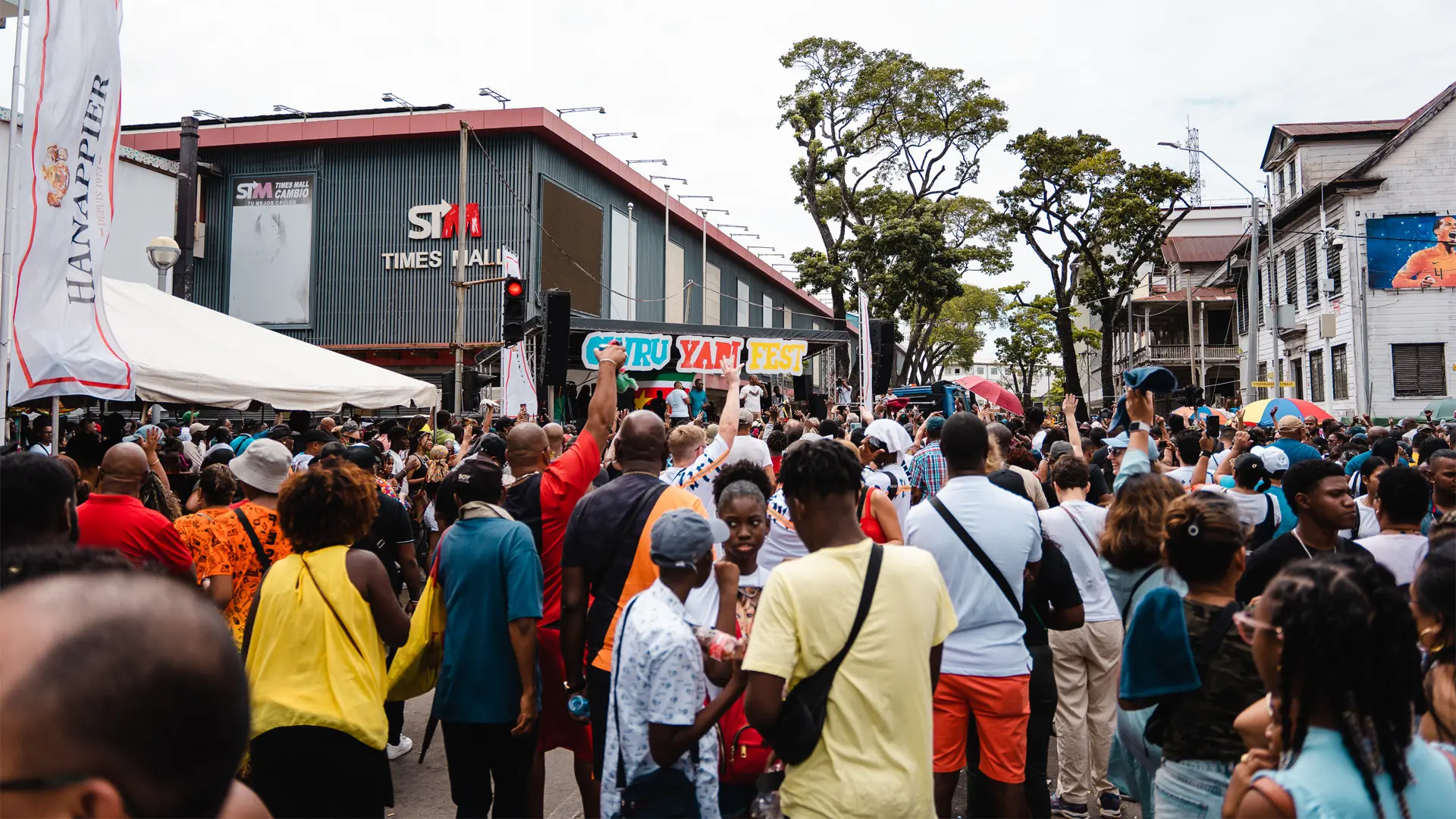
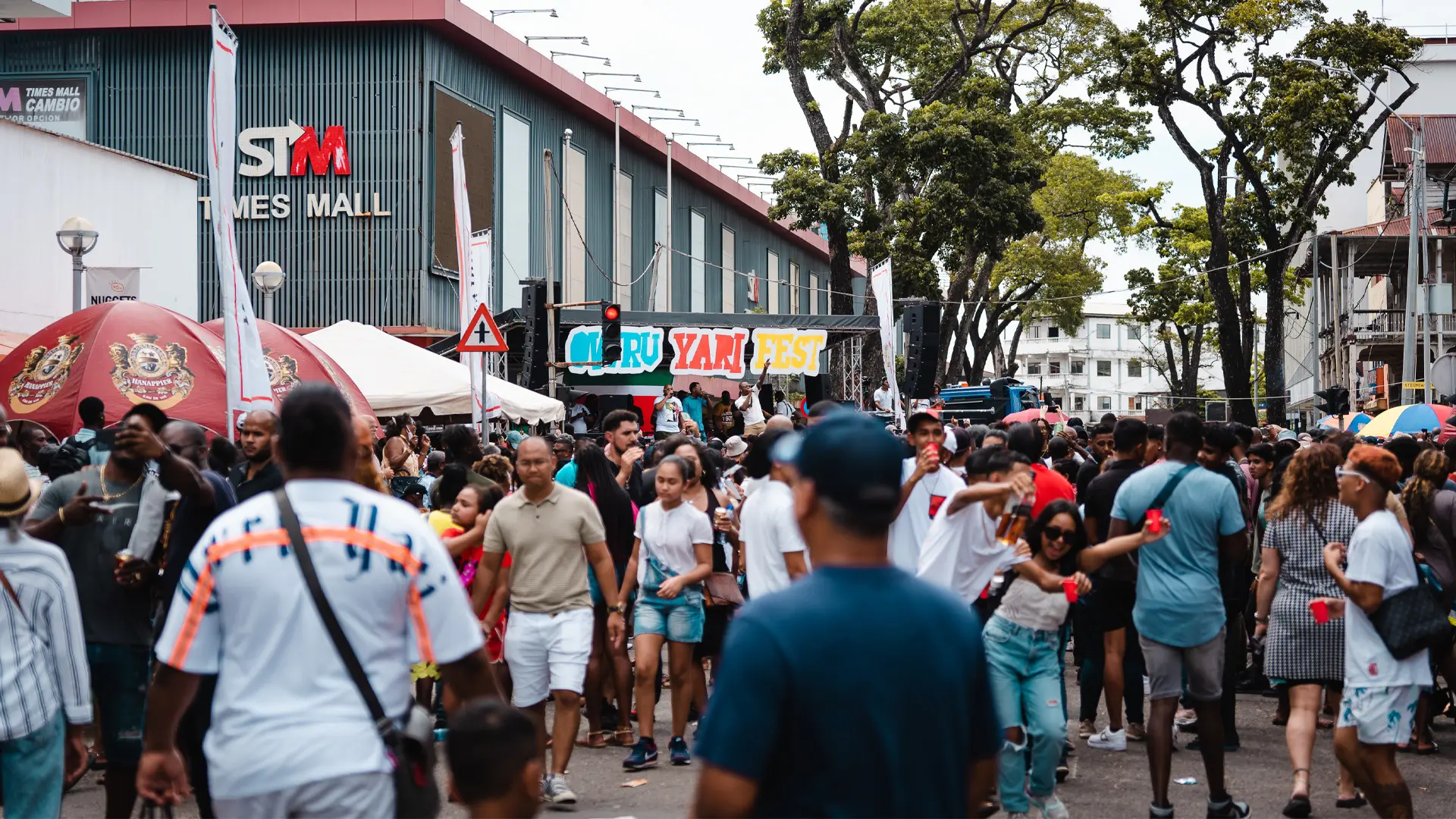
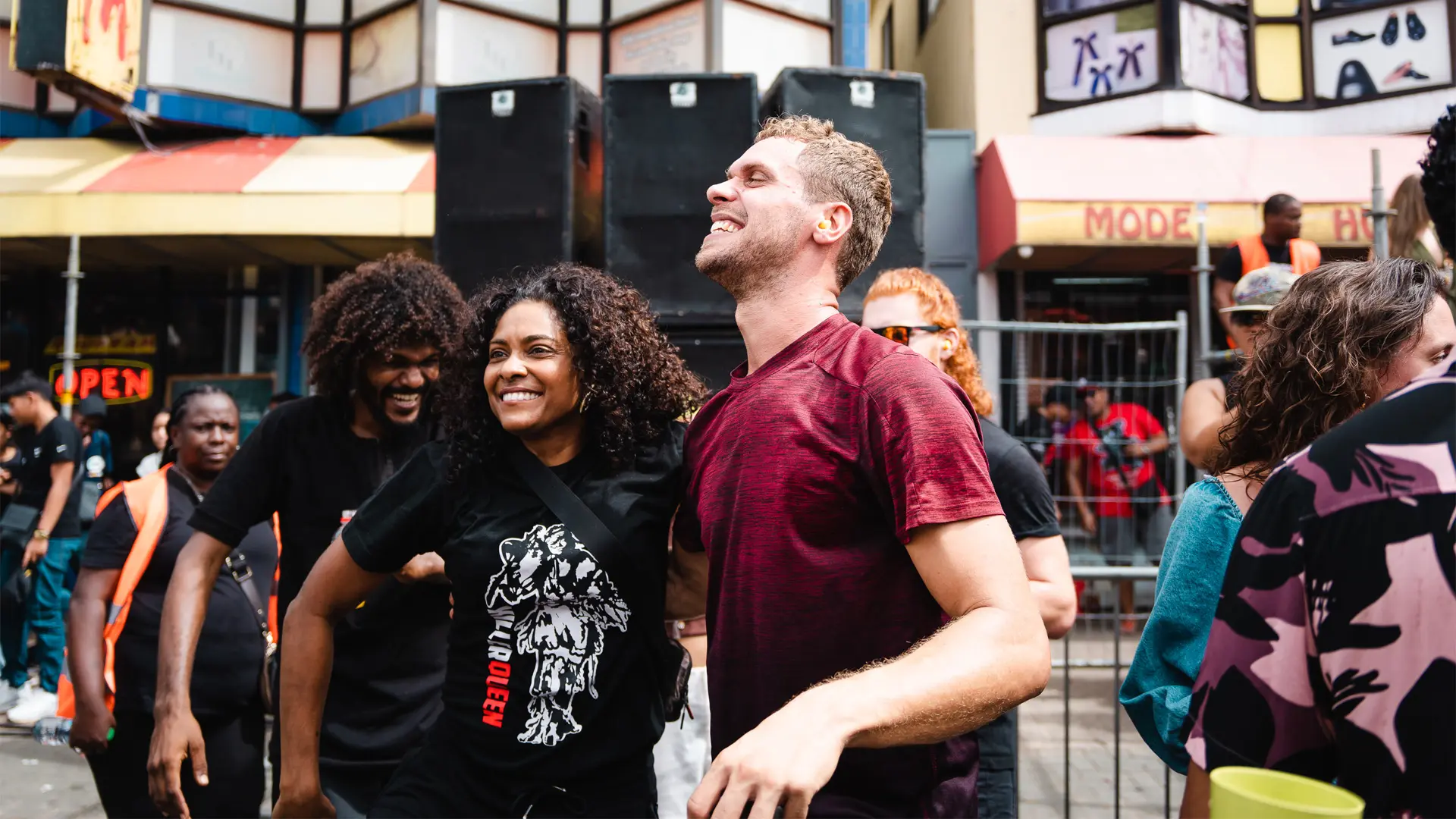
Paramaribo is a unique blend of cultures and peoples: Indigenous, African, Indian, Javanese, Chinese, Lebanese, and Dutch influences shape everything from the city’s wooden colonial buildings to its flavorful street food. This diversity is felt in every neighborhood, every market, and every conversation.
Book a guided city tour to discover the stories behind Paramaribo’s historic buildings; here, every wall has a story and every corner holds a piece of Suriname’s soul.
A City Shaped by History
Paramaribo lies on the west bank of the Suriname River, bordering Commewijne and Wanica. It’s the smallest district by size, yet the most populated — though visitors are often surprised by its calm, welcoming atmosphere.
The city takes its name from Parmurbo, an Indigenous village that once stood on the exact location where European settlers built Fort Zeelandia in 1667. Today, Fort Zeelandia is the oldest building in Suriname and now houses the Suriname Museum, offering a fascinating look into the country’s past.
Other museums worth visiting include:
- Koto Museum – celebrating Afro-Surinamese dress and culture
- Lalla Rookh Museum – honoring the history of the Hindustani community
(Tip: Check opening hours before visiting.)
From Fort Zeelandia, the city expanded outward, with the former Governor’s House at its center. After Suriname gained independence in 1975, this elegant colonial building became the Presidential Palace, overlooking Independence Square with the tranquil Palm Garden just behind it.
Architectural Highlights
One of Paramaribo’s most striking landmarks is the Saints Peter & Paul Cathedral Basilica, located on Henck Arronstraat. Built entirely of wood in 1883 on the site of a former Jewish theater, it is the largest wooden structure in the Western Hemisphere and a must-see for all visitors.
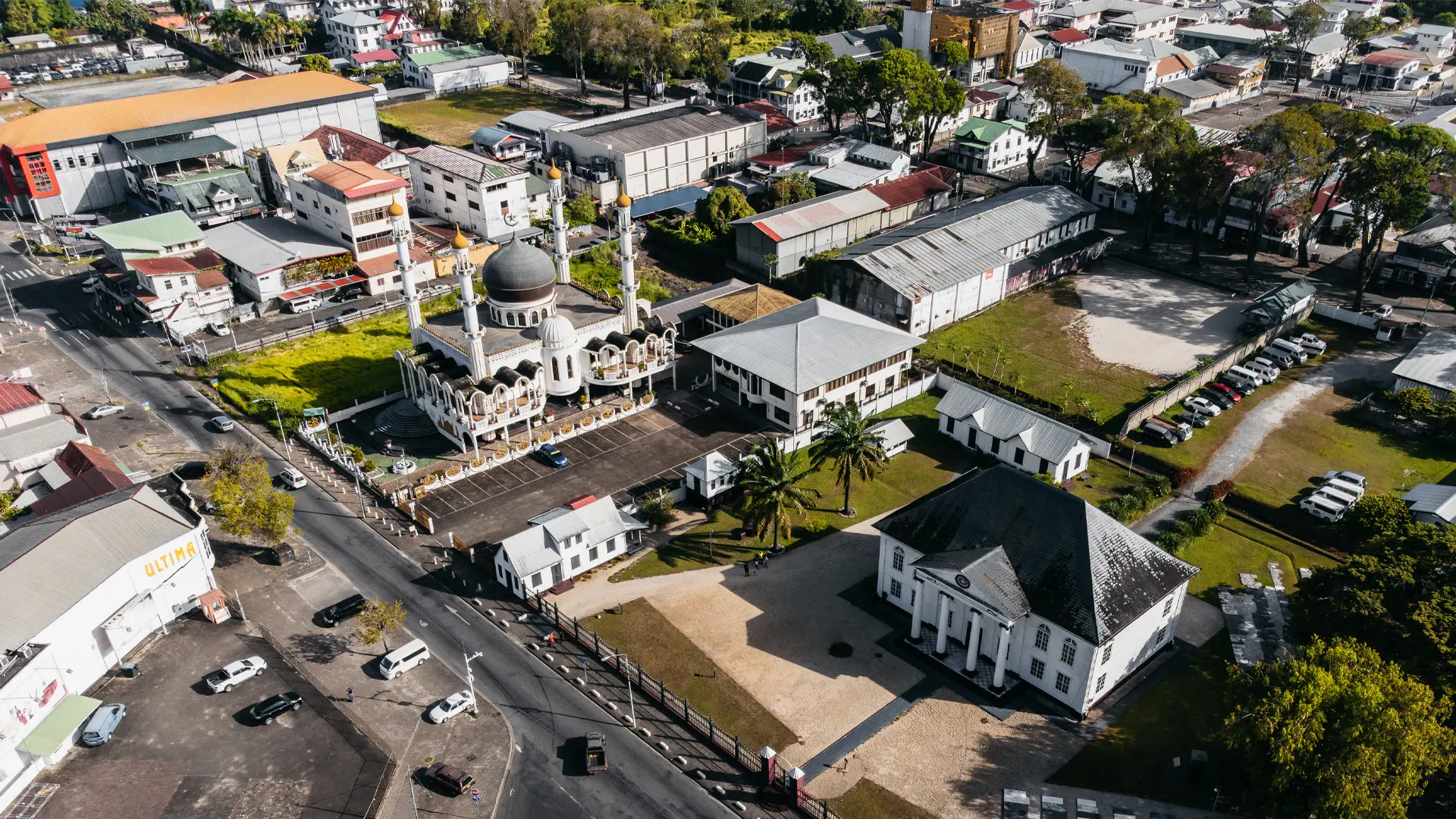
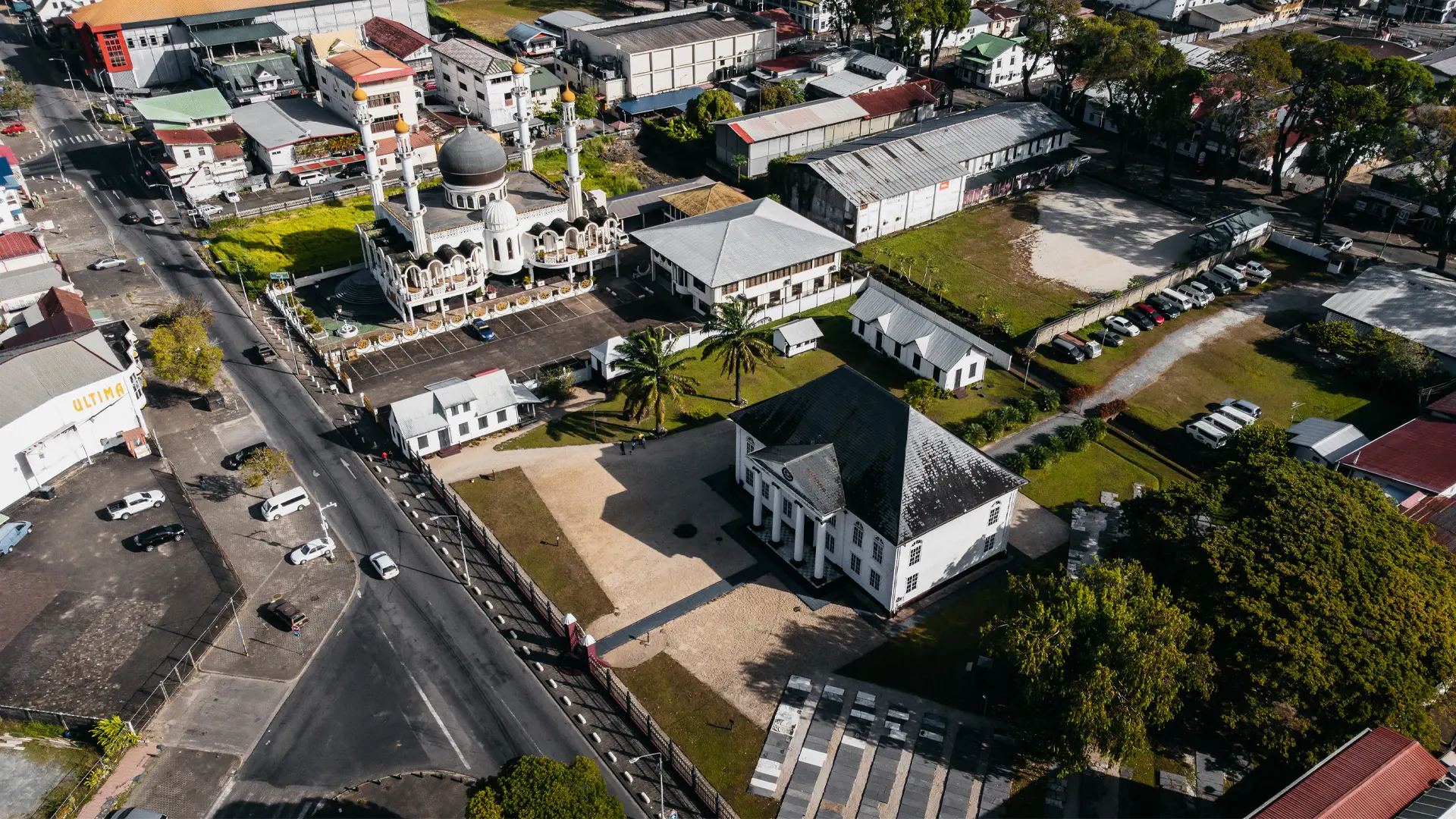
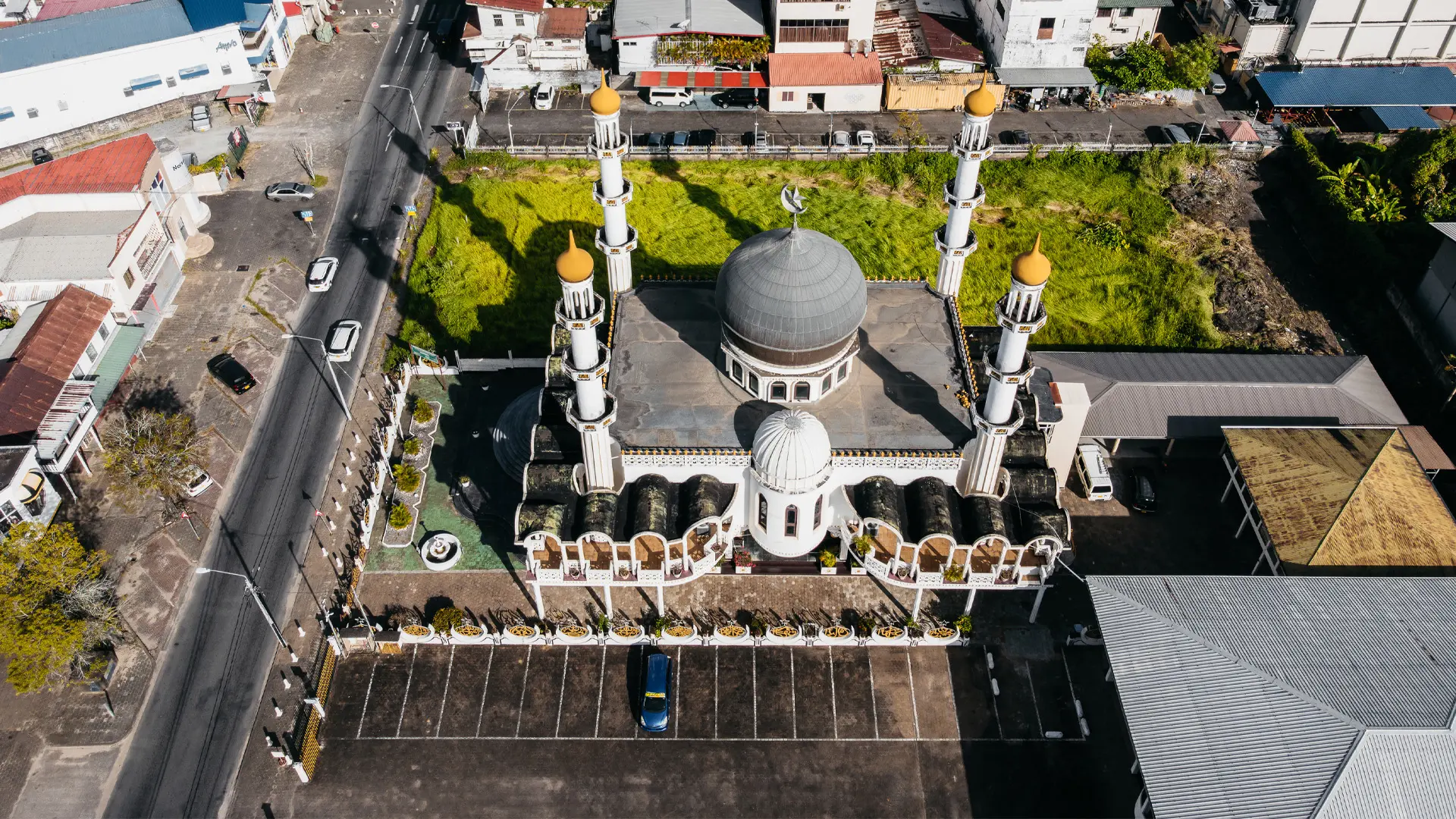
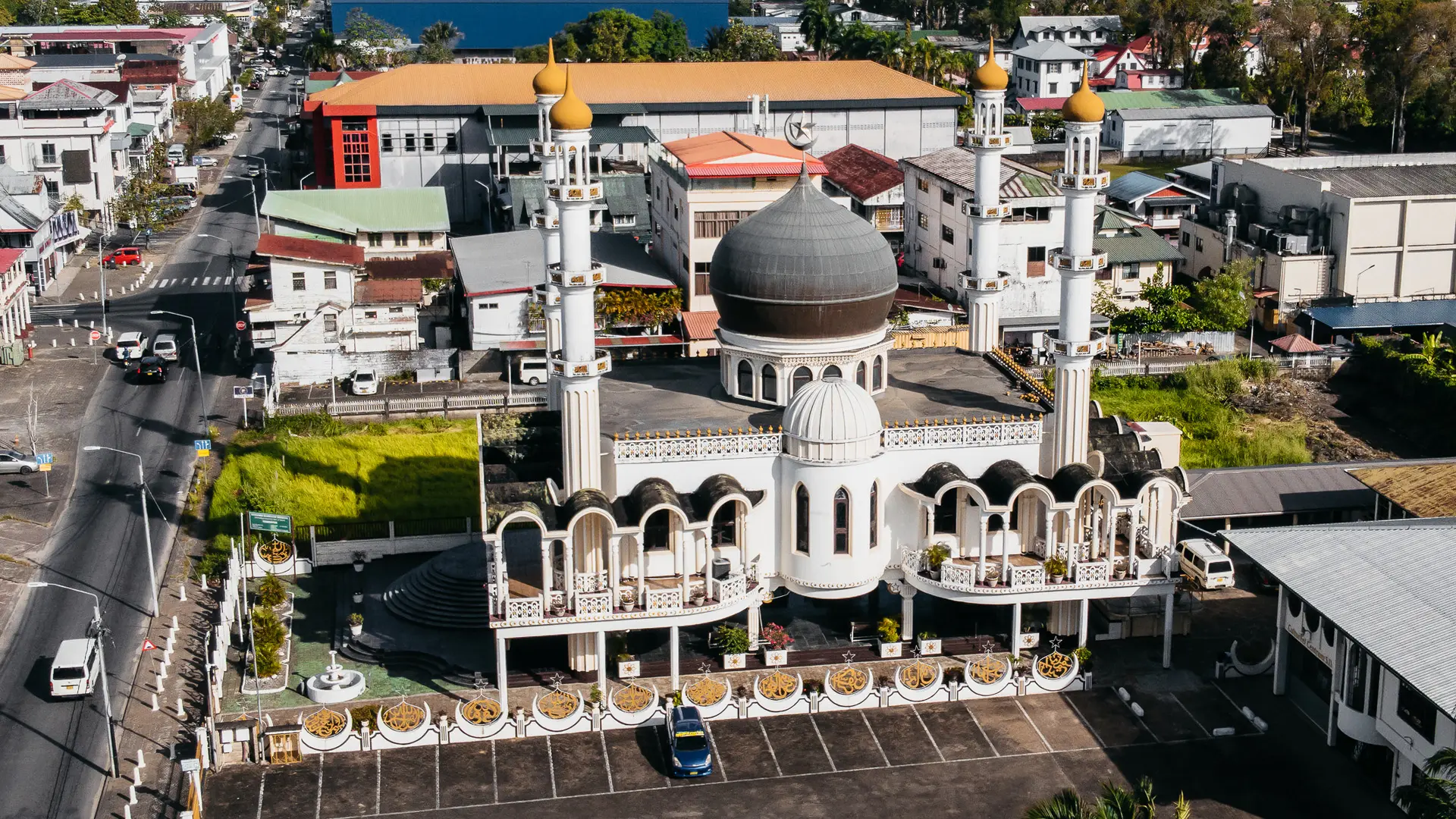
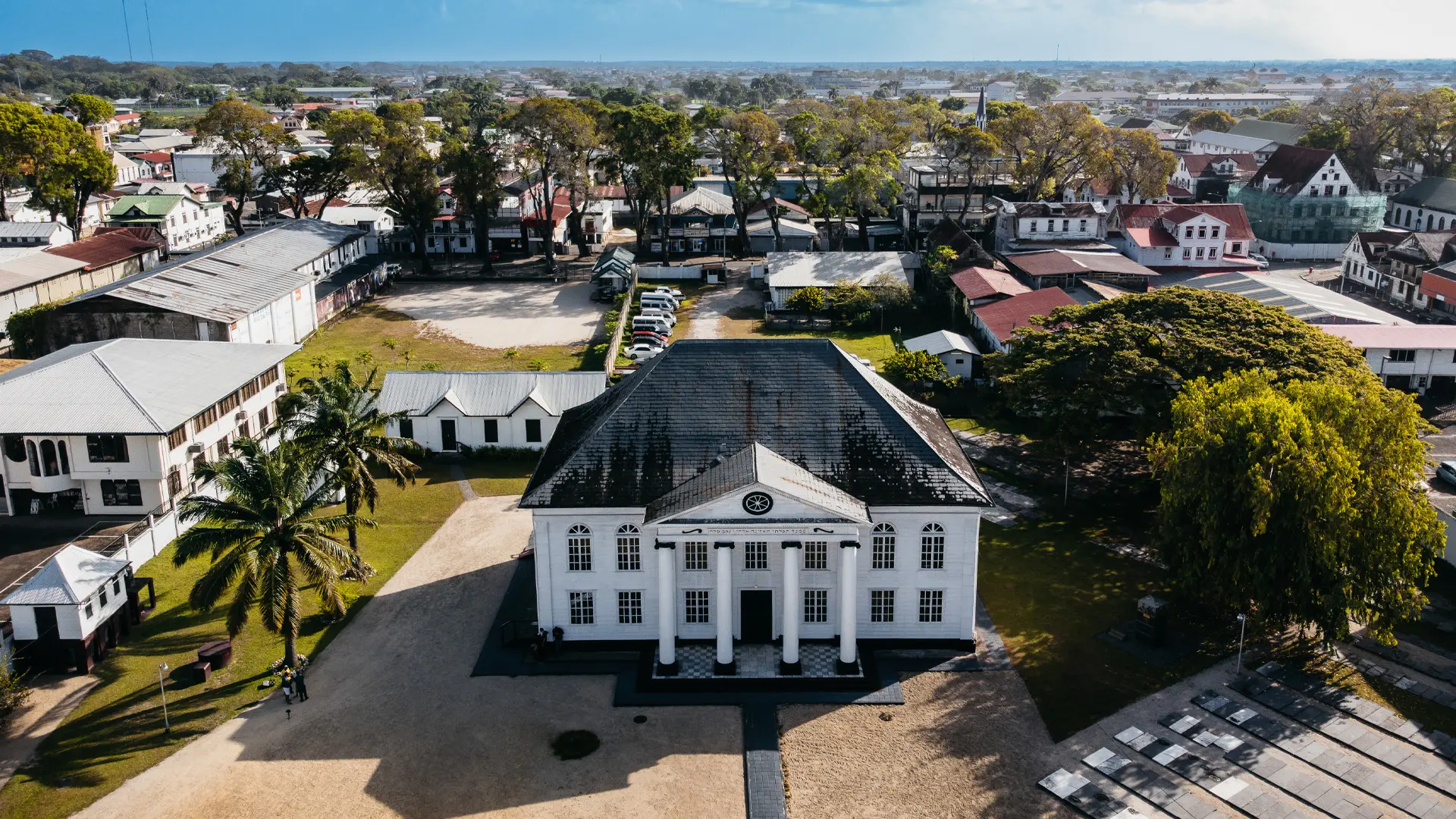
Another symbol of Suriname’s long tradition of religious harmony can be found on Keizerstraat, where a synagogue and a mosque stand side by side, sharing centuries of peaceful coexistence.
Exploring the City
Historic Paramaribo is best enjoyed on foot or by bicycle. Wander through shaded streets, admire beautifully carved wooden houses, and enjoy river views as you go.
For maps, recommendations, and up-to-date tips on things to do, visit the Tourist Information Center at Waka Pasi, conveniently located near the entertainment center.
Food & Nightlife
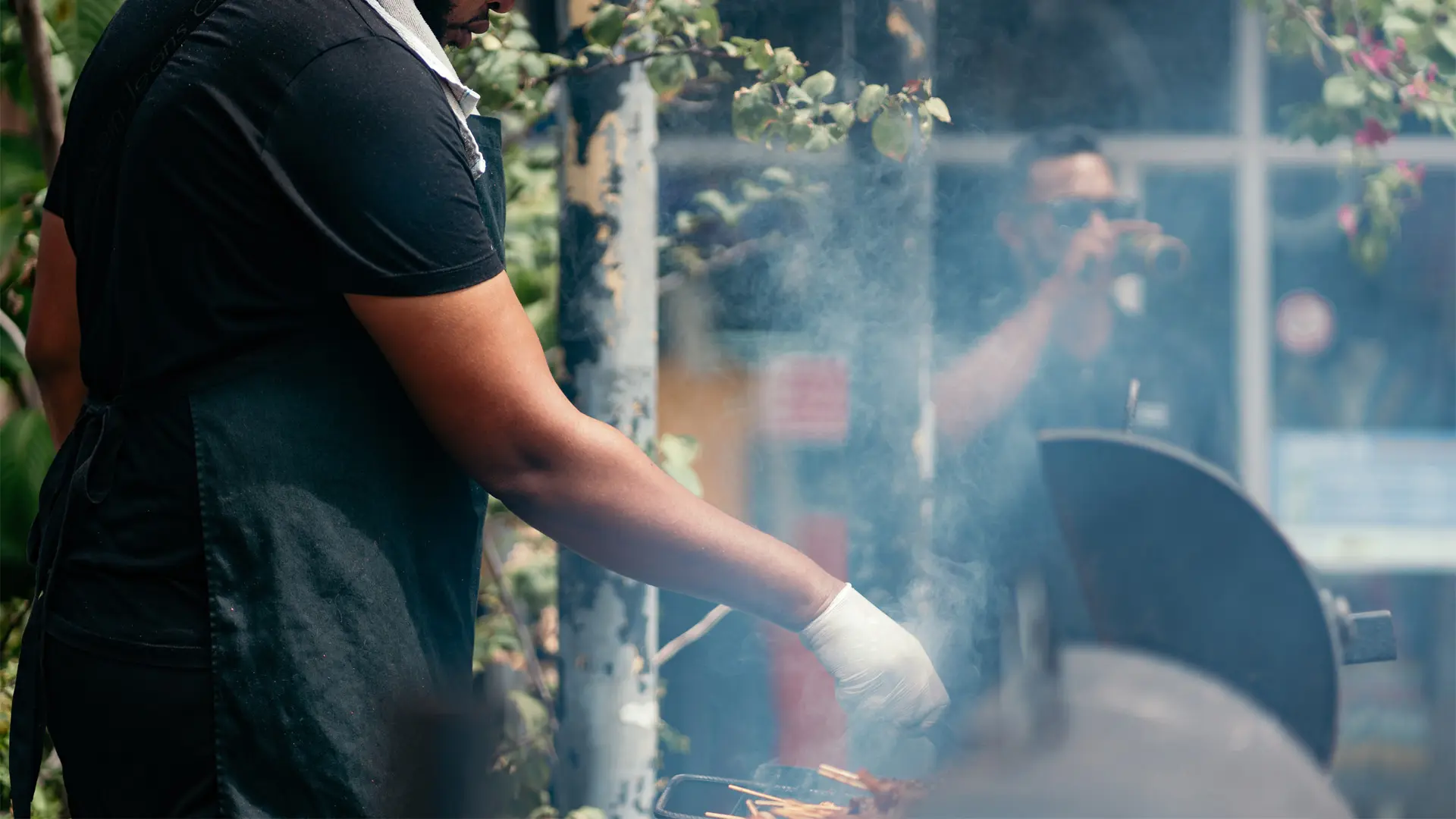
In and around Van Sommelsdijckstraat, you’ll find a lively collection of bars and restaurants serving a wide range of dishes. Paramaribo’s food scene reflects its multicultural roots, offering:
- traditional Surinamese food
- Javanese specialties
- Indian and Chinese meals
- Japanese sushi
- Turkish dishes
- Italian pizza
- international fusion cuisine
Whether you’re looking for a cozy dinner spot or a fun night out, Paramaribo offers something for every taste and style.